
How to Dispose of a Sex Doll Safely and Privately
In This Document
Disposing of a sex doll is something many owners think about eventually, yet almost no one talks about openly. A full-size companion doll is not like a regular household item. It is realistic, personal, and carries emotional meaning. Many people worry about privacy, embarrassment, or even causing public alarm. Others are concerned about the environmental impact of the materials.
These feelings are normal. A companion doll often plays a unique role in someone’s life. When the time comes to part with it, the process deserves respect, care, and a sense of dignity.
This guide offers a clear path forward. It explains when disposal is necessary, how to prepare a doll, which methods are responsible, and which ones you should avoid. Every step is written with privacy, safety, and emotional comfort in mind. By the way, if you don’t already own a companion doll but want to know if it’s right for you, you can check out our Readiness Guide. If your doll is merely dirty and has not yet reached the point where it needs to be discarded, you can refer to our maintenance guide for instructions on cleaning, maintaining, and storing it.
Why Sex Doll Disposal Needs a Thoughtful Approach
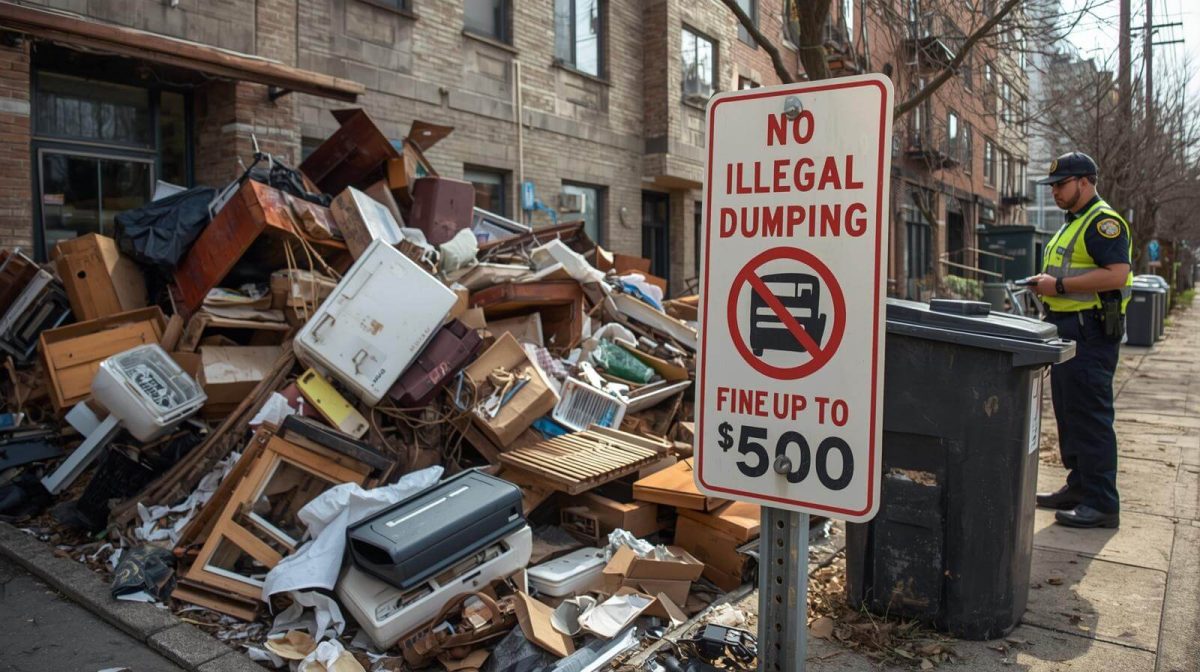
Modern companion dolls are designed with realism in mind. The lifelike appearance brings comfort to many owners, but it also creates complications during disposal. Throwing a full doll into a public trash bin is never advisable. It can easily be mistaken for a human body, triggering fear or emergency responses. Incidents like these have happened before, and they bring unwanted attention.
There is also an environmental side. TPE and silicone do not break down naturally. Burning these materials releases harmful fumes. Dumping them outdoors can contaminate the ground or water.
And finally, privacy matters. A doll is a deeply personal item. Most owners want a discreet process that protects their identity and avoids unnecessary exposure.
For all these reasons, responsible sex doll disposal requires a structured, careful method rather than quick improvisation.
When Should You Dispose of a companion Doll?
Not every issue means a doll must be thrown away. Many owners successfully repair tears, loose joints, or stains. But there are moments when disposal becomes the most practical choice.
- When Material Degrades Beyond Repair
TPE can soften, melt, or become sticky after many years. Silicone can tear deeply or lose shape. When the body can no longer support its structure, disposal is safer than repair.
2. When Hygiene Is Compromised
If moisture enters the skeleton or internal cavities, mold may develop. Deep mold cannot be cleaned and may pose health risks.
3. When the Internal Skeleton Is Damaged
A broken joint or bent metal frame can make the doll unsafe to move or store. Sometimes repairs cost more than a new doll.
4. When You Upgrade to a New Doll
Some owners simply replace their older doll with a newer model. Storage space becomes a challenge, and responsible disposal becomes necessary.
5. When Emotional Reasons Matter
For some people, a doll holds personal memories. When life changes, disposing of the doll can be a part of emotional closure and moving forward.
Knowing your reason helps you choose a method that feels right—not just practical but emotionally comfortable.
Before Disposing: Gentle, Important Preparation
Preparing the doll properly protects your privacy, reduces odors, and makes the disposal process smoother. Completing these steps ensures the process stays private and safe.
- Clean the Doll Carefully
Use mild soap and warm water. Clean all external areas and internal cavities. Dry the doll thoroughly to prevent mold while handling or storing parts.
2.Remove Personal Items
Remove wigs, clothing, jewelry, USB modules, heating rods, and any personal accessories. These items may carry scents or personal information.
3. Check for Electronics
If your doll has heating systems, sensors, or voice chips, remove them. These must be disposed of as electronic waste.
4. Prepare Simple Tools
A small toolkit—scissors, a utility knife, pliers, or a screwdriver—helps with disassembly. You will not need advanced tools.
Responsible and Private Ways to Dispose companion dolls
Below are the most recommended methods. These approaches are respectful, discreet, and aligned with environmental guidelines.
Disassemble and Bag the Doll
This is the method most owners choose. It is safe, discreet, and prevents misunderstandings.
How to do it gently and safely
- Separate the head first.
- Remove the arms and legs.
- Access the torso and, if possible, take out the metal skeleton.
- Fold or cut the skeleton into smaller pieces.
- Wrap each body part in thick, opaque bags.
- Dispose of the bags gradually with regular household waste.
Why this method works well
- Prevents the doll from being mistaken for a human figure
- Keeps the process completely private
- Allows quiet, discreet disposal over several days
- Reduces emotional discomfort by breaking the process into small steps
Note: Disassembly is not harsh—it is simply the most respectful and responsible way to part with a realistic object.
Use Local Waste Management Services
Many cities provide scheduled pickup for large items. Once the doll is disassembled and bagged, it can be classified as non-burnable or mixed waste.
Check your region’s guidelines for:
- large item disposal
- mixed-waste pickup
- metal recycling
- non-burnable trash requirements
Note: This method is simple and follows municipal rules.
Professional Recycling Services (Where Available)
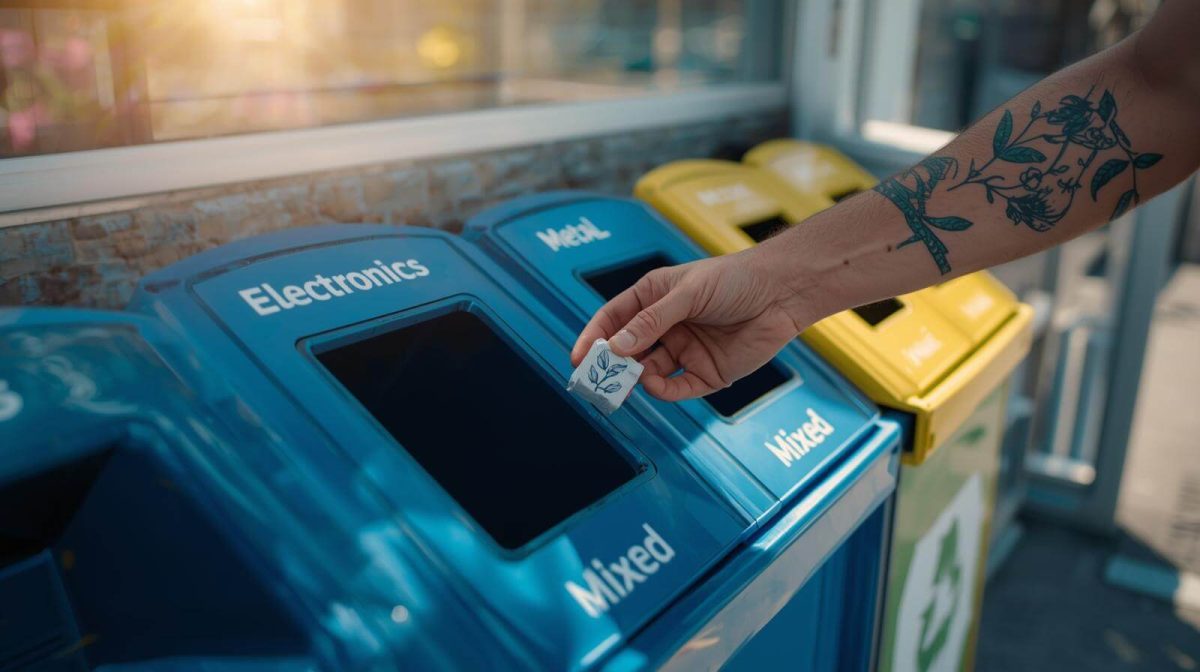
Recycling options vary by region. Some facilities accept thermoplastics, and most will take metal components.
Possible recycling channels:
- TPE recyclers
- silicone industrial processors
- scrap metal facilities
- specialized plastic recycling units
Note: If available, this is an environmentally friendly choice.
Donate or Resell If the Doll Is in Good Condition
Some dolls are still perfectly usable. If yours is clean and functional, consider giving it a second life. Clean the doll thoroughly and disclose any minor flaws honestly. Transferring the doll responsibly reduces waste and adds value for someone else.
Possible recipients include:
- photographers
- art students
- film and theater teams
- medical practice simulations
- collectors
- second-hand adult-product buyers
Manufacturer Trade-In Programs
Some brands offer buy-back discounts or trade-in credits when returning an old doll. While not universally available, these programs are becoming more common. They combine convenience with environmental responsibility.
Disposal Methods You Should Avoid
For your safety, privacy, and the environment, please avoid the following methods. Avoiding these practices protects both your community and your peace of mind.
- Do Not Dispose of a Full Doll in Public
Even in a bag, the shape can cause alarm. Always disassemble first.
2. Do Not Burn the Doll
TPE and silicone release toxic fumes when burned. This can be dangerous and is illegal in many areas.
3. Do Not Bury the Doll Outdoors
These materials do not decompose. Rain, soil shifts, or animals can expose the doll again.
4. Do Not Dump the Doll in Water
Disposing of a doll in lakes, rivers, or drains can trigger emergency responses and cause pollution.
5.Do Not Abandon the Doll in Public Places
Leaving a doll beside a dumpster or in the open is irresponsible and may break local waste laws.
Material-by-Material Disposal Guidance
Understanding the materials helps you choose the proper method. This ensures each part is handled responsibly.

TPE (Thermoplastic Elastomer)
- Soft and flexible
- Not easily recyclable
- Should be placed in non-burnable waste after disassembly
Silicone
- Durable but not commonly recycled
- Treat as non-burnable waste
Metal Skeleton
- Fully recyclable
- Fold or cut for easier transport
- Deliver to scrap metal centers if convenient
Electronic Components
- Voice chips, heating rods, sensors
- Must be disposed of as e-waste
Privacy Tips for a Stress-Free Disposal Experience

Most owners want to avoid attention. These simple steps help:
- Use thick, black bags that hide shape and color
- Double-bag the torso and head
- Dispose of parts slowly over several days
- Avoid neighbor peak hours
- Remove brand labels or identifying tags
- If living in an apartment, take bags directly to a main disposal point
Conclusion
Disposing of a companion doll is not just a practical action. For many owners, it is an emotional one. A doll may have provided comfort, companionship, or stability during important parts of life. Parting with it should feel safe, private, and gentle. The most important principle is : Always disassemble the doll and dispose of it responsibly, never as a full body in public.

BreathyDoll Team
Entity: BreathyDoll
Date : November 28, 2025
