
Hard Silicone Head vs. Soft Silicone Head: Which Doll Head is Right for You?
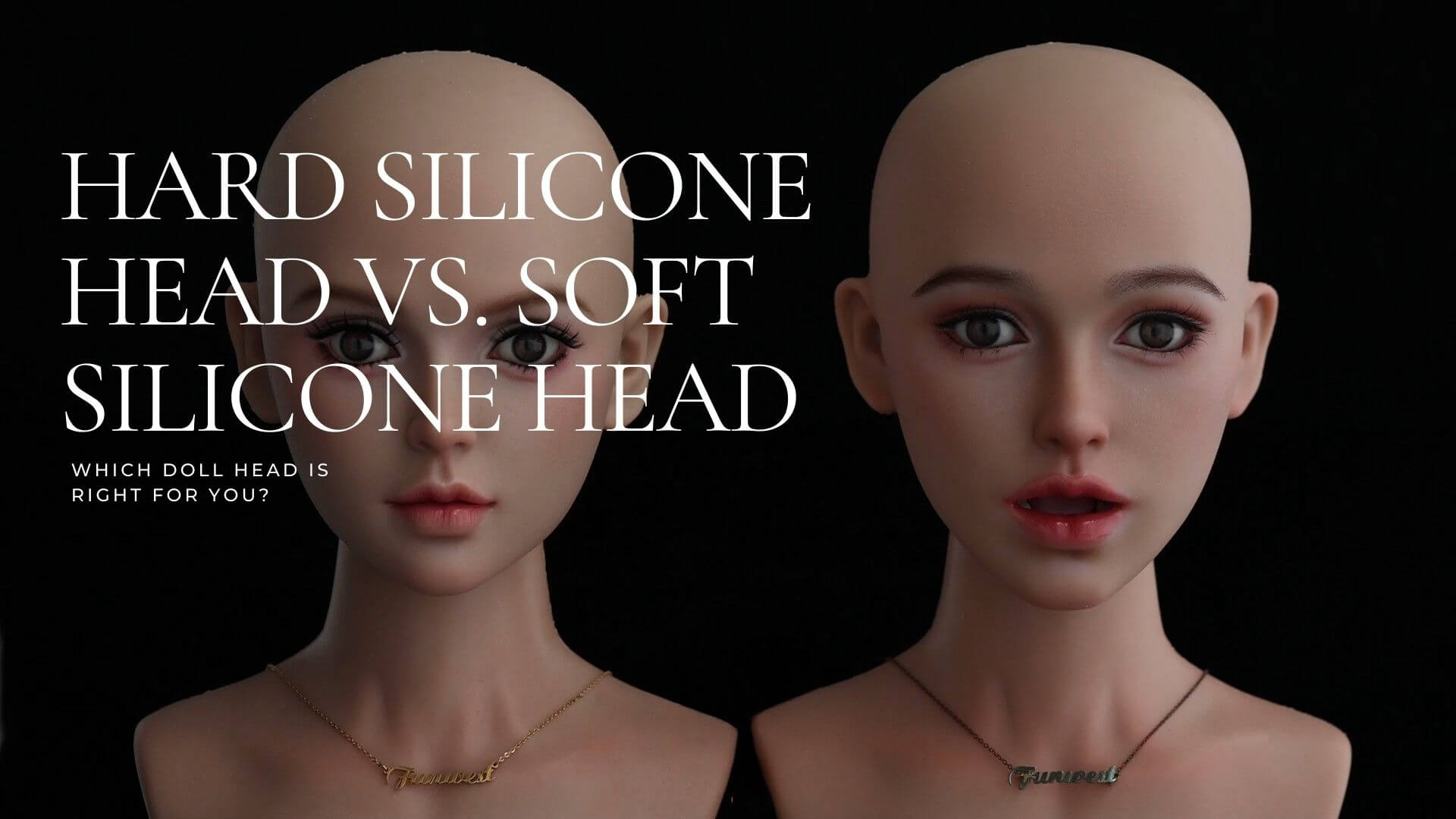
When choosing a companion doll, the head type plays a decisive role in both appearance and physical interaction. Among the most common options are hard silicone heads and soft silicone heads. Although the two may look similar at first glance, their internal structure, tactile response, and functional capabilities are fundamentally different.
Understanding these differences helps avoid confusion and ensures expectations match real-world use.
Visual Realism vs. Tactile Realism
Note: The eyebrow and eyelash implants mentioned in the video are only applicable to the hard silicone head from Irontech and Real Lady, not standard features for all hard head.
1. What Is a Hard Silicone Head?
A hard silicone head is made from firmer silicone material designed to maintain precise sculpting and long-term visual stability.
Structurally, hard silicone heads do not include a functional oral channel. The mouth opening is cosmetic rather than usable, and internal oral structures are not designed for interaction. As a result, oral use is not supported.
From a tactile perspective, hard silicone feels more solid and less compressible. The cheeks, lips, and nose retain their shape under pressure rather than deforming easily. This firmness allows:
- Sharper facial details
- More defined skin textures
- Makeup that adheres closely to the surface
- Reduced wear and smudging over time
Because of this structural stability, hard silicone heads can support implanted hair, as the material provides a reliable base for long-term hair rooting.
Hard silicone heads are best suited for users who prioritize visual realism, makeup durability, and long-term aesthetic consistency over softness or interactive functionality.
2. What Is a Soft Silicone Head?
A soft silicone head uses more elastic silicone, designed to deform under touch and recover naturally, closer to the feel of human skin.
Unlike hard heads, soft silicone heads include a functional oral channel, allowing the mouth to be used. Depending on the configuration, a soft head may also support additional internal elements such as removable or fixed tongues.
The softer material enables:
- A more skin-like tactile experience
- Compressible cheeks, lips, and nose
- Lips that can be gently pinched or shaped
- More natural response during kissing and close contact
Because of these properties, soft silicone heads can support basic sexual interaction and kissing functions, which hard heads cannot provide.
However, due to the softness and elasticity of the material, soft silicone heads are generally not recommended for hair implantation, as the structure does not offer sufficient long-term support for implanted hair roots.
Soft heads are ideal for users who value touch, flexibility, and interactive use over rigid visual perfection.
3. Hard Head vs Soft Head: A Clear Comparison
In simple terms:
Hard silicone heads focus on visual precision, makeup longevity, and structural stability, but do not support oral use.
Soft silicone heads focus on tactile realism and functional interaction, with a usable oral channel and flexible facial features.
Neither option is “better” in absolute terms—the difference lies in how realism is defined: visual fidelity versus physical interaction.
4. A Note on ROS (Realistic Oral Structure)
Some soft silicone heads are further engineered with realistic internal oral anatomy, including defined lips, teeth, tongue, and jaw mechanics. This design concept is known as ROS (Realistic Oral Structure).
ROS is not the same as a standard soft head, but an advanced structural evolution of it. Some manufacturers also differentiate ROS head into hard and soft types, so the ROS is an evolving concept, and its meaning is still developing. To understand how ROS differs from standard heads and how it continues to evolve, you can read our dedicated explanation here: What Is a ROS Head? Understanding Realistic Oral Structure as an Evolving Design Concept
5. Choosing the Right Head Type
If your priority is appearance, makeup stability, and implanted hair, a hard silicone head is the most suitable choice.
If your priority is touch, softness, and interactive use such as kissing or oral functionality, a soft silicone head is the more appropriate option.
Understanding these structural differences ensures that the head you choose aligns with how you intend to interact with your companion.
For a broader understanding of how head structure fits into the overall internal design of a companion doll, you may also refer to our Materials & Construction Guide, which explains materials, skeleton systems, and structural design choices in detail.

BreathyDoll Team
Entity: BreathyDoll
Date : December 24, 2025
