
From Material to Expression: The Craft Behind a Companion Doll’s Face
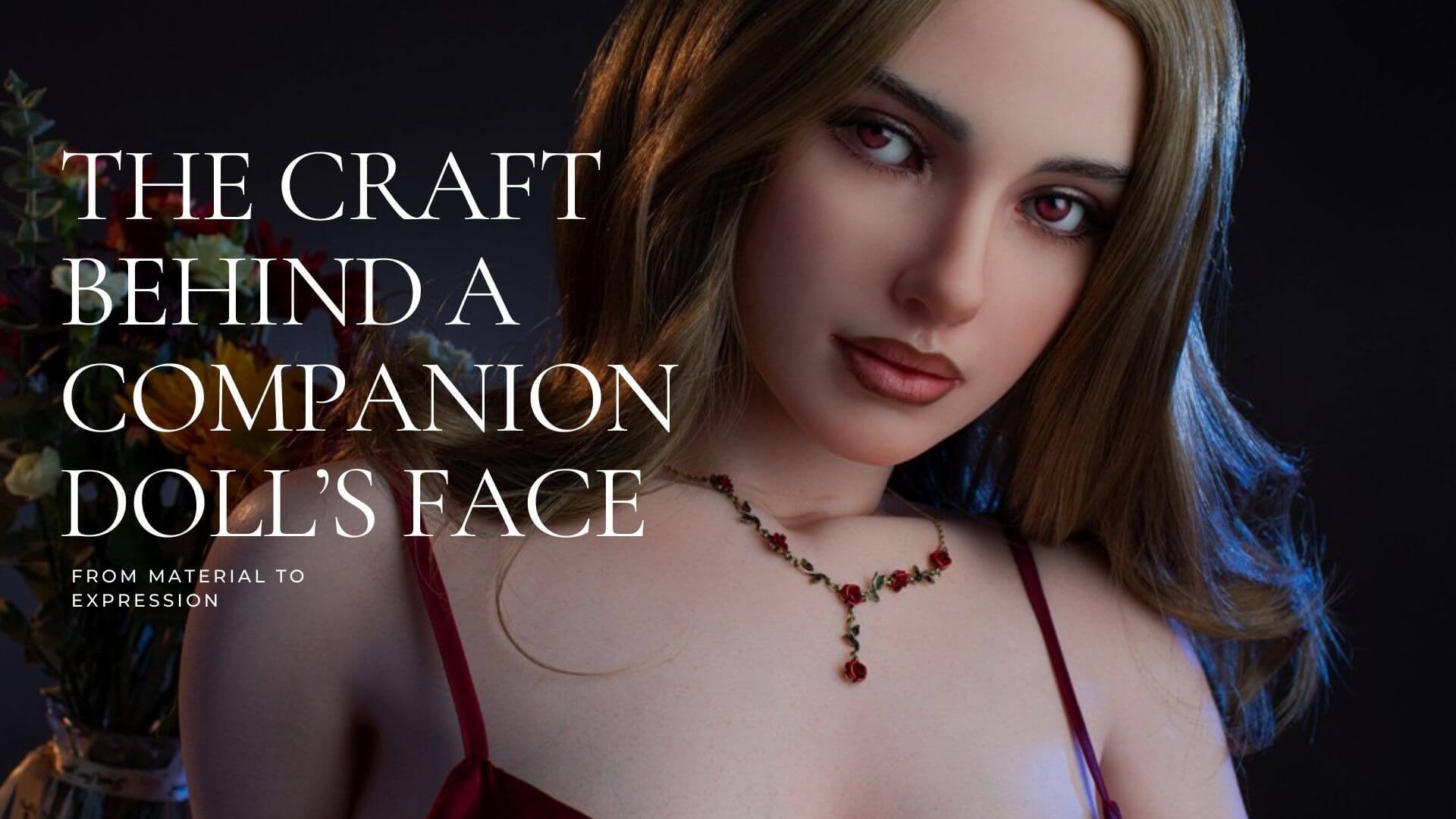
When people talk about realism in companion dolls, the conversation often stops at appearance.
But realism is not something that can be painted on or added at the final stage. It is built—layer by layer—through materials, process, and deliberate restraint.
This article accompanies a behind-the-scenes video that documents how a companion doll head is refined: from skin texture detailing, to hand-implanted eyebrows and lashes, to the final integration of a wig. The purpose is not to present a checklist of features, but to show how craftsmanship shapes expression long before a doll is ever completed.
For us, this approach is part of a broader philosophy around Materials and Construction, where every visible result is rooted in decisions made long before a doll is considered complete.
Skin Texture: Craft Over Speed
The first thing the human eye responds to is not color, but surface.
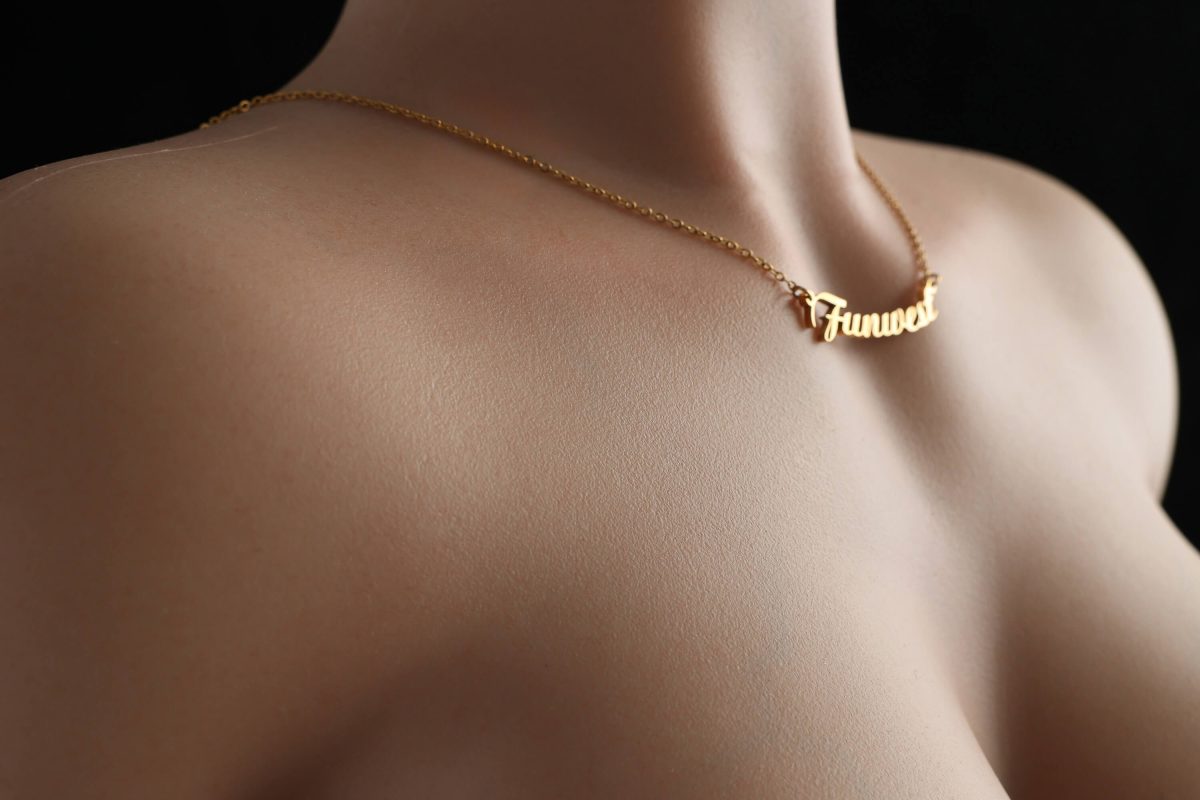
Real skin is never perfectly smooth. It reflects light unevenly, carries subtle variations, and changes character depending on distance and angle. Reproducing this effect is not a matter of applying makeup; it is the result of careful material handling and surface treatment.
In the video, you can see how skin texture is refined gradually rather than rushed. This stage requires patience because it cannot be fully automated. Minor inconsistencies are corrected by hand, not to achieve perfection, but to avoid artificial uniformity.
Choosing to work this way is a conscious decision. Faster methods exist, but speed often flattens detail. For us, realism begins with accepting that certain steps must remain slow.
Hand-Implanted Brows and Lashes: Precision Is a Choice
Eyebrows and eyelashes play a disproportionate role in how we read expression. Even slight deviations in angle or density can change how a face is perceived.
Rather than relying on adhesive solutions or pre-made components, brows and lashes are individually hand-implanted. This allows for control over growth direction, spacing, and subtle asymmetry—qualities that are essential for a natural appearance.
This approach is not chosen because it is complicated, but because it is precise. Hand implantation allows experienced technicians to make adjustments in real time, responding to the proportions of each individual face rather than forcing it to conform to a template.
Again, this is less about adding detail and more about avoiding shortcuts.
Wig Integration: Designed as Part of the System
Hair is often treated as an accessory, but in a companion doll, it functions as part of a larger system.
Wigs are selected and fitted with long-term use in mind. They are designed to be removable, maintainable, and adaptable—allowing users to care for, replace, or restyle them over time without compromising the integrity of the head.
Seen this way, the wig is not an afterthought. It is a practical component that supports durability, hygiene, and personal expression, all of which matter in a long-term companion experience.
Expression Is Built, Not Painted
The video you see is not meant to define a universal standard for all companion dolls, nor to suggest that every product must follow the exact same configuration or process.
Due to differences in pricing, manufacturers, and product configurations, materials and craftsmanship will naturally vary across the industry. The content presented here serves to illustrate our focus on craftsmanship and the importance we place on careful, deliberate construction—not to claim that these elements are standard across all companion dolls.
What we can confirm with certainty is this:
every companion doll we deliver is shaped, refined, and finalized under the careful hands and judgment of our specialists.
Because expression is not something applied at the end—it is the result of how seriously the process is treated from the beginning.

BreathyDoll Team
Entity: BreathyDoll
Date : December 26, 2025
