
What Is Articulated Fingers? Understanding Hand Skeleton Realism as an Evolving Design Concept
Introduction: Why “Articulated Fingers” Is Often Misunderstood
In product listings and specification sheets, articulated fingers is often presented as a simple feature—something a doll either has or doesn’t have.
That framing is misleading. It suggests a fixed configuration, when in reality, articulated fingers do not refer to a single, standardized structure. The term is used broadly across the industry, often describing very different internal designs that vary in movement quality, durability, and realism.
What most descriptions miss is this:
Articulated Fingers is not a feature. It is a design direction.
It represents an ongoing attempt to replicate how human fingers actually work—not just how they look.
What Really Are Articulated Fingers?
At a structural level, articulated fingers refer to a hand system built around segmented joints, designed to mimic the behavior of human finger bones.
Instead of relying on continuous bending (as in simpler designs), articulated systems introduce:
- Joint-based movement (similar to phalanges)
- Defined bending points
- Controlled motion paths
- Integrated wrist articulation
This allows the hand to behave more like a real skeletal system rather than a flexible material.
So rather than being defined by a specific mechanism, articulated fingers are better understood as:
A structural approach aimed at replicating human finger anatomy through joint-based movement.
Before Articulated Fingers: How Doll Hands Actually Worked
To understand why articulated fingers matter, it helps to look at what came before.
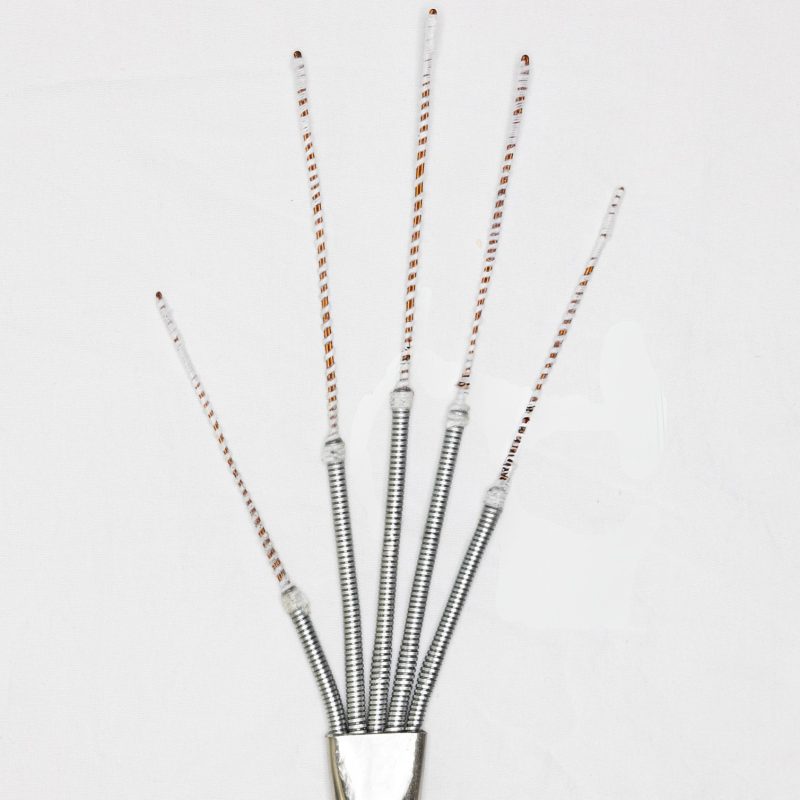
Wire Fingers (Early Stage)
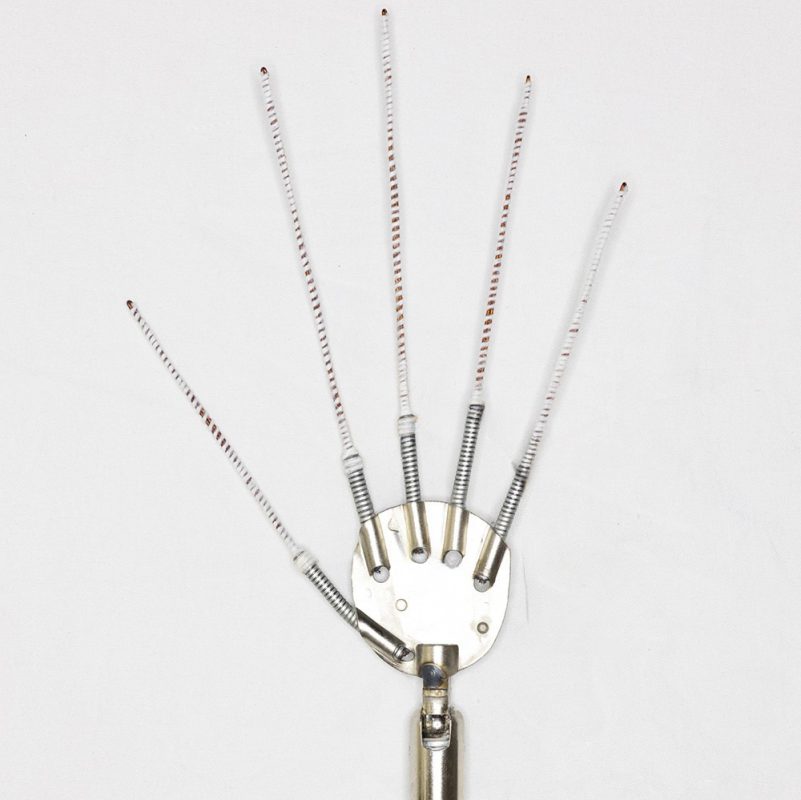
Wire Fingers with Palm & Wrist Joint
Wire Fingers (Early Stage)
The earliest solid dolls introduced internal finger structures using metal wire cores.
- Fingers could bend freely
- No segmented joints
- No wrist articulation
- Movement depended entirely on material flexibility
While this created the appearance of poseable hands, the behavior was fundamentally unrealistic.
Bending a finger did not resemble human motion—it followed no anatomical logic. The result often looked unnatural, especially in more complex gestures.
Wire Fingers with Palm & Wrist Joint
Later designs introduced partial improvements:
- A palm structure was added
- A wrist joint allowed limited movement
This improved overall posing, particularly at the wrist level. However, the fingers themselves remained unchanged:
- Still wire-based
- Still lacking joint segmentation
- Still unable to simulate realistic grip mechanics
In practical terms, this meant:
- Limited ability to hold objects
- Weak structural support under pressure
- Unnatural finger curvature when bent
At this stage, hands had form—but not functional anatomy.
The Shift to Articulated Fingers: What Actually Changed
The transition to articulated fingers marked a structural shift, not just an incremental upgrade. Instead of treating fingers as flexible extensions, manufacturers began designing them as joint-driven systems.
This introduced:
- Segmented internal bones
- Defined joint articulation
- More predictable movement patterns
As a result, several new capabilities emerged:
- Fingers could form recognizable gestures
- Hands could grip and hold objects
- Full-hand poses like fists became possible
Early versions were not perfect. Motion could still feel stiff, and some poses lacked fluidity. But the underlying change was significant.
Movement was no longer improvised through material bending—it was governed by structure. This shift reflects a broader principle in doll design, where internal construction defines how realism is experienced. For a deeper look at how overall structure shapes realism beyond just the hands, you can explore how the internal structure of a companion doll affects realism.
Not All Articulated Fingers Are the Same
Although the term is widely used, not all articulated finger systems are built the same way. The biggest differences often appear in the wrist mechanism, which directly affects how the entire hand behaves.
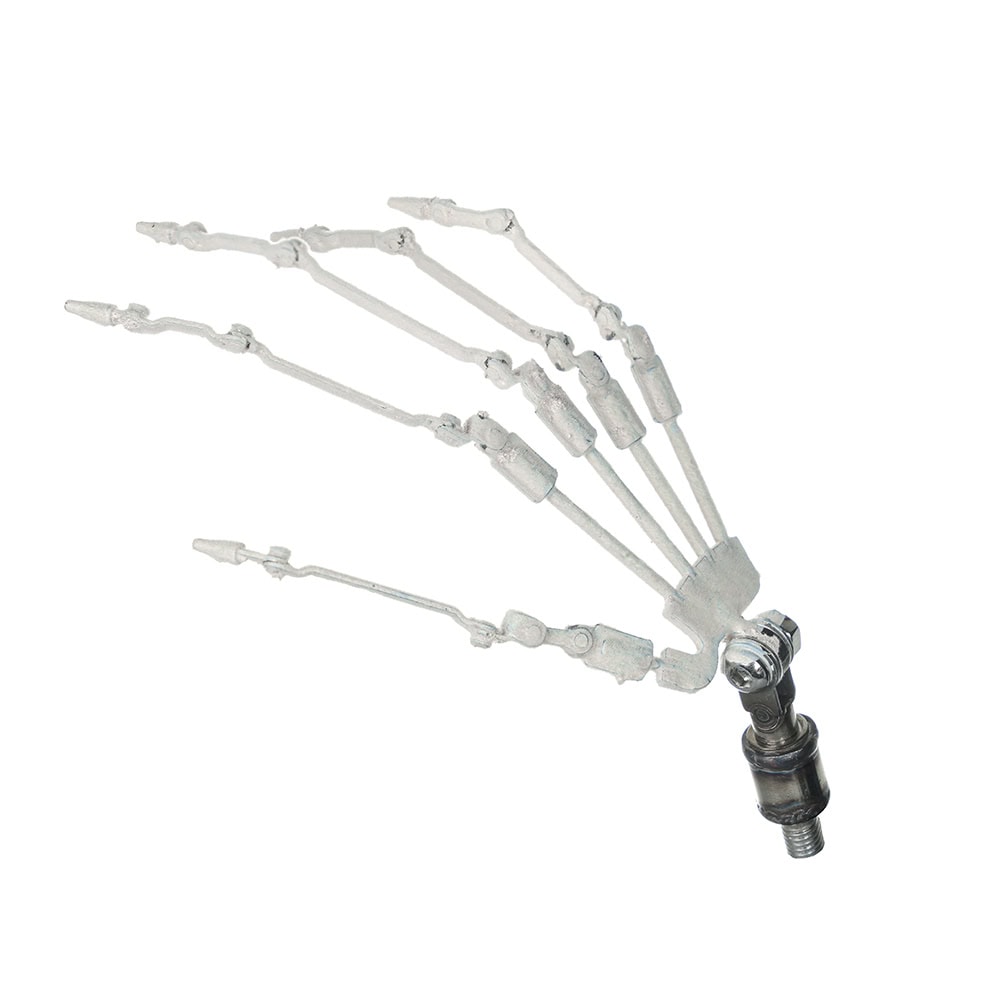
Regular Articulated Fingers
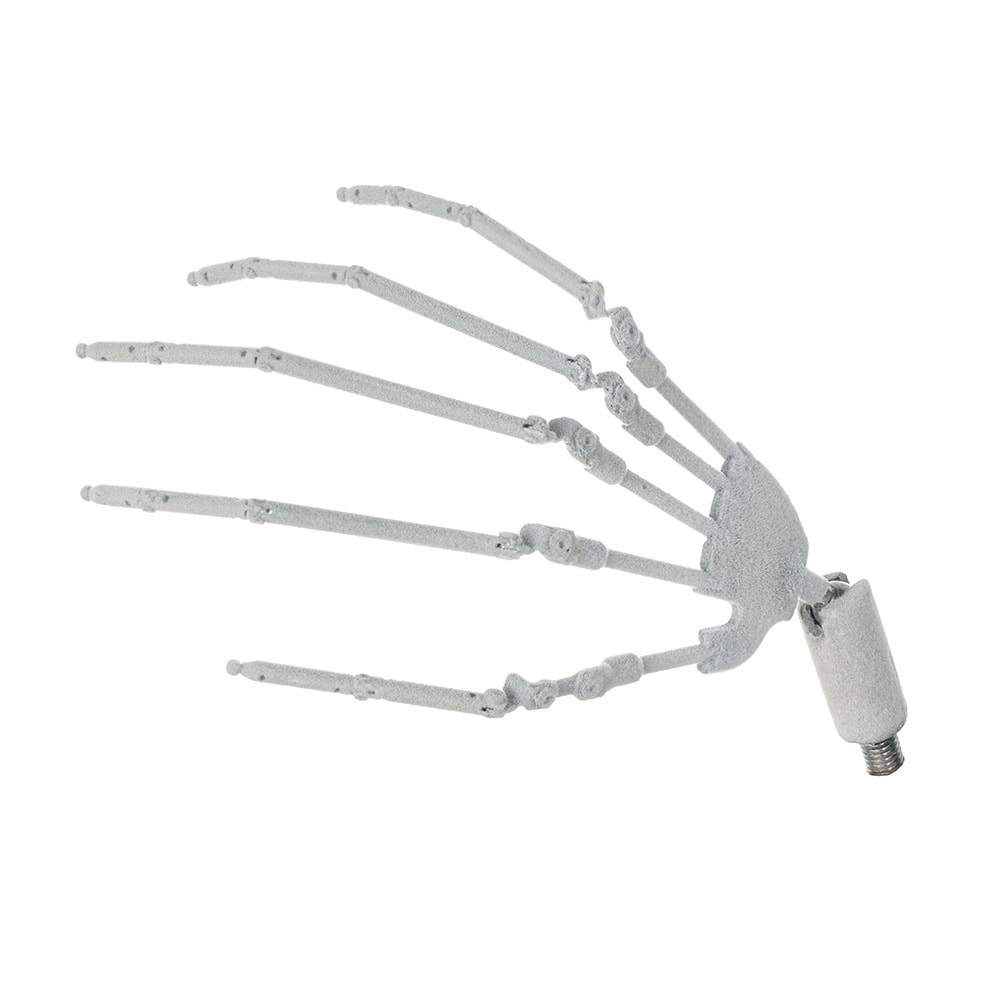
Ball-Jointed Articulated Fingers
Regular Articulated Fingers (Hinge-Based Wrist)
These designs use a hinge joint at the wrist:
- Stable and durable
- Predictable movement
- Limited range of motion
They are structurally reliable, but less flexible in expressing complex angles.
Ball-Jointed Articulated Fingers
More advanced systems introduce a ball joint at the wrist:
- Multi-directional movement
- Greater rotational freedom
- More natural hand positioning
This brings the structure closer to human anatomy, but introduces trade-offs:
- Increased wear over time
- Potential loosening with frequent use
- Greater mechanical complexity
Neither system is inherently better. They reflect different engineering priorities:
Stability versus flexibility.
How Articulated Fingers Continue to Evolve
Just like other realism-driven systems, articulated fingers are not static. They continue to evolve across multiple technical dimensions.
Recent improvements include:
- Ball-jointed wrists for increased motion range (with ongoing work to reduce wear)
- Rounded fingertips to reduce puncture risk and improve durability
- Cylindrical finger bones for more natural structure and strength
- Smoother joint transitions for better motion consistency
- Improved surface integration to stabilize outer materials
- Expanded motion range, including slight backward bending and more natural fist formation
Some manufacturers introduce names such as:
- Ultra-flex fingers
- Grace joint fingers
These are not entirely new categories. They are variations within the same design direction—each attempting to refine how closely the structure matches real human finger behavior.
Even when two products are labeled “articulated fingers,” their internal construction can differ significantly.
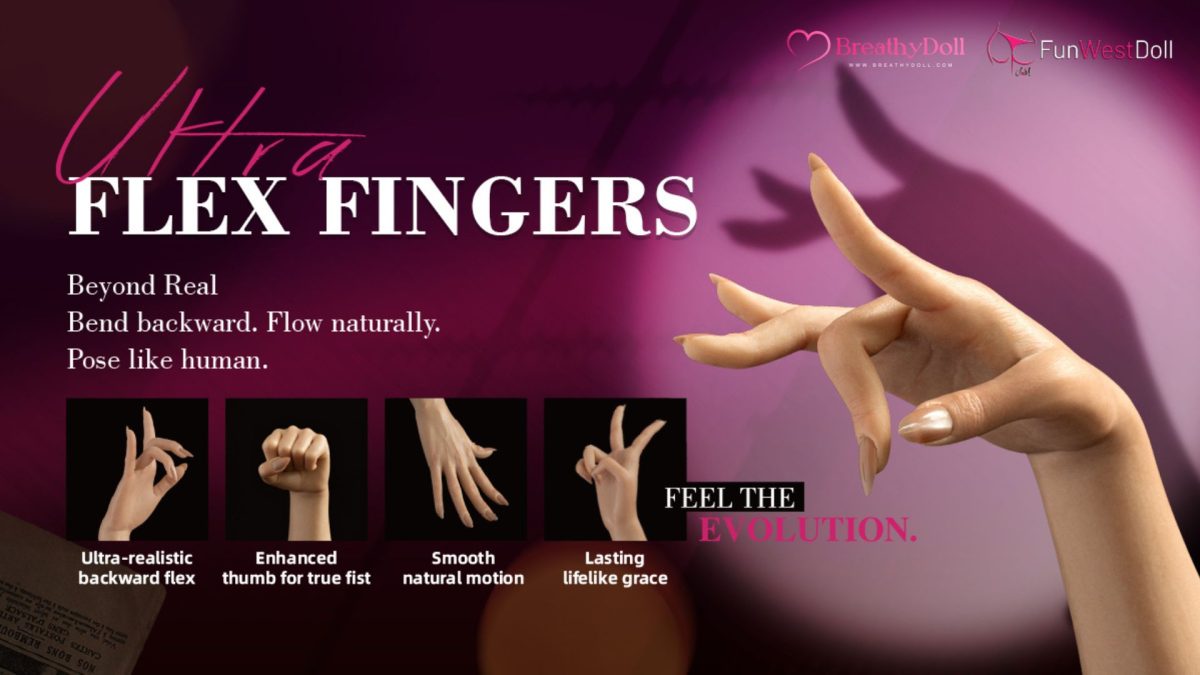
Ultra-flex fingers from FunWest Doll
What Articulated Fingers Actually Change in Real Use
The impact of articulated fingers is not limited to structure—it directly affects how a doll can be experienced.
- More Natural Hand Expression
Subtle gestures become possible, making poses feel less staged and more lifelike.
- Functional Interaction
Hands can grip, hold, and support objects in ways earlier designs could not.
- Improved Body Language
The hands begin to contribute to overall presence, not just appearance.
This shifts the role of the hand: From a static visual element to an active part of interaction.
Do You Really Need Articulated Fingers?
Not every user prioritizes the same aspects of realism.
- If visual appearance is the main focus, simpler finger structures may be sufficient
- If posing, interaction, and long-term usability matter, articulated fingers become significantly more relevant
This is less about necessity and more about expectation.
The more importance placed on how a doll behaves—not just how it looks—the more meaningful articulated fingers become.
Conclusion: Articulated Fingers, Like ROS, Are Not a Fixed Standard
In the same way that ROS represents an evolving approach to realistic oral structure, articulated fingers represent an evolving approach to realistic hand anatomy.
It is important to know that the material, structure, and realism of sex dolls combine to form a unified system. They are not defined by a single mechanism or specification.
Different manufacturers may use the same term, but the underlying systems can vary widely in design, durability, and performance. What remains consistent is the direction.
Articulated fingers are not a finished solution. They are the current endpoint of an ongoing effort to build hands that behave like real ones.

BreathyDoll Team
Entity: BreathyDoll
Date : April 29, 2026
